Mini sessions run differently than a full portrait session. The format is tighter, the schedule is set, and the window is short — around ten minutes per family. People are often skeptical of that until they've done it. Then they come back. There's a reason for that, and it has more to do with how the format works than how long it lasts. These five things make the biggest difference.
1. Frame It Right for Your Family
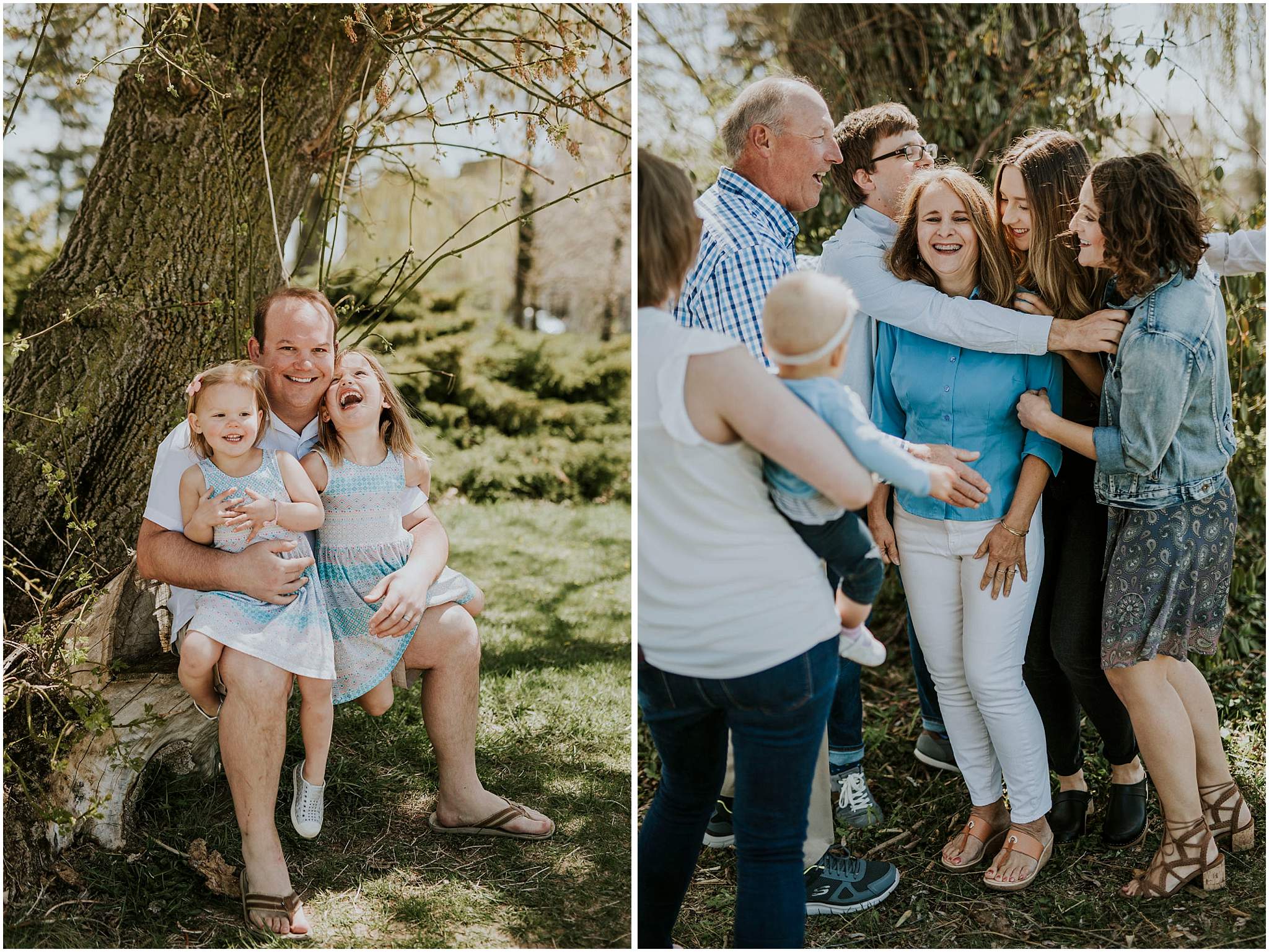
These aren't studio portraits, and the mentality going in matters. There's no backdrop, no formal posing, and no expectation that your kids will suddenly cooperate on command. The session happens outside — a stretch of shoreline, a stand of birch trees, a field that photographs well in late afternoon. The energy you bring is the energy that shows up.
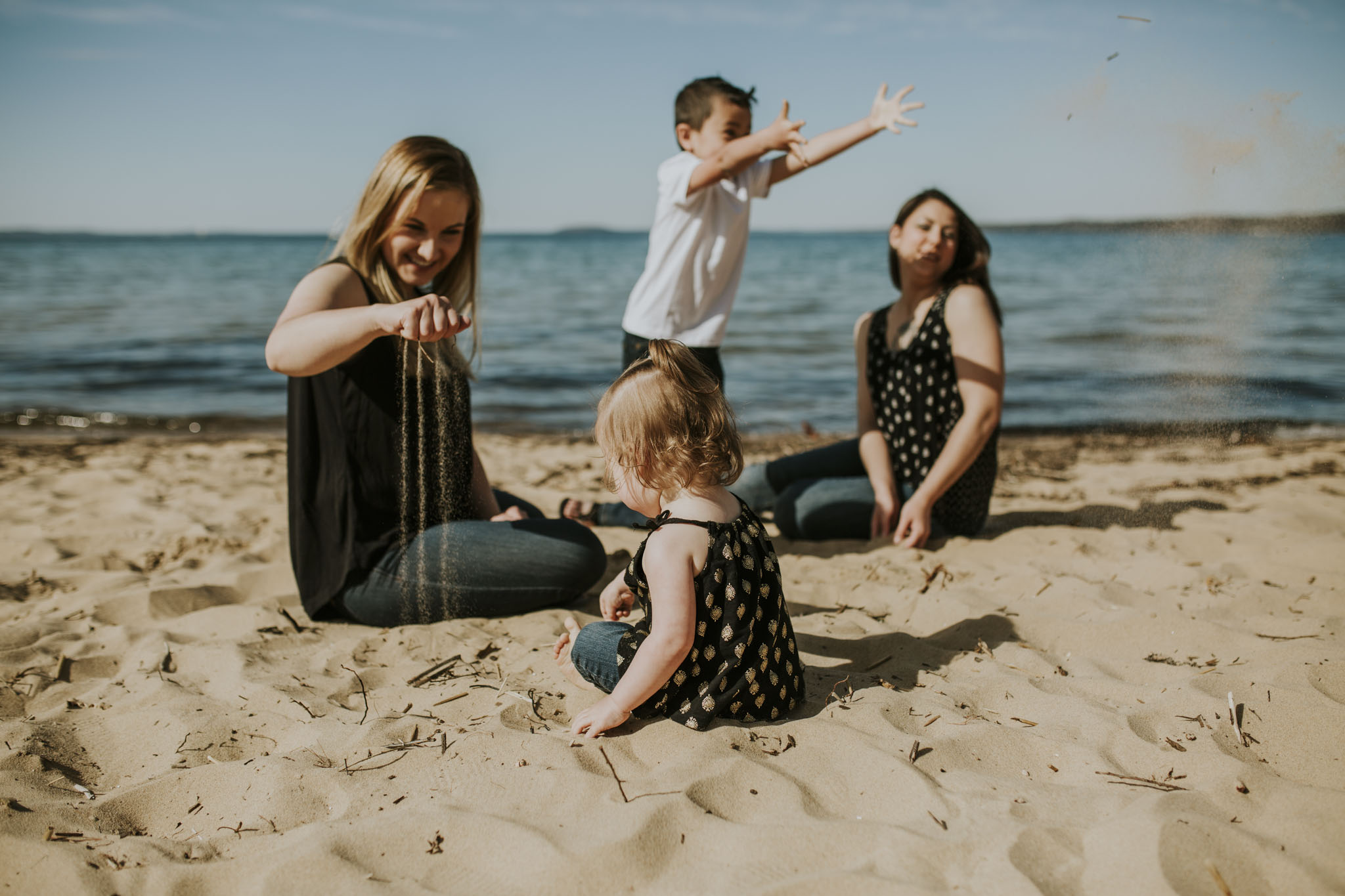
If your kids are running, let them run. If the baby is fussing, we work around it. If your teenager is clearly not thrilled to be there, that's honestly fine — that look is real, and real tends to photograph better than performed. The goal isn't a perfect family tableau. It's contact: with each other, with the place, with whatever's happening right now. The family sessions that work best are the ones where nobody's trying too hard.
2. Coordinate, Don't Match
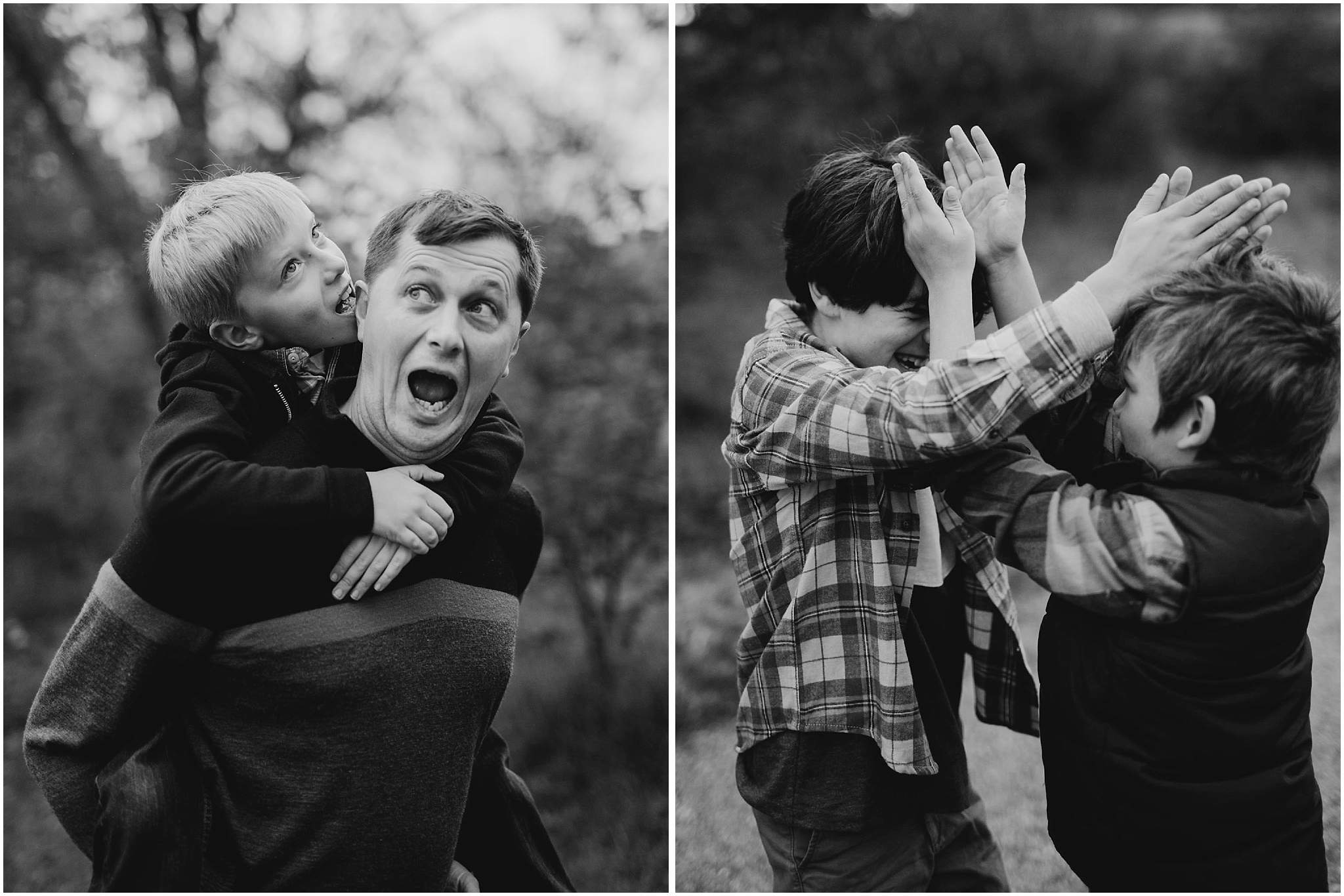
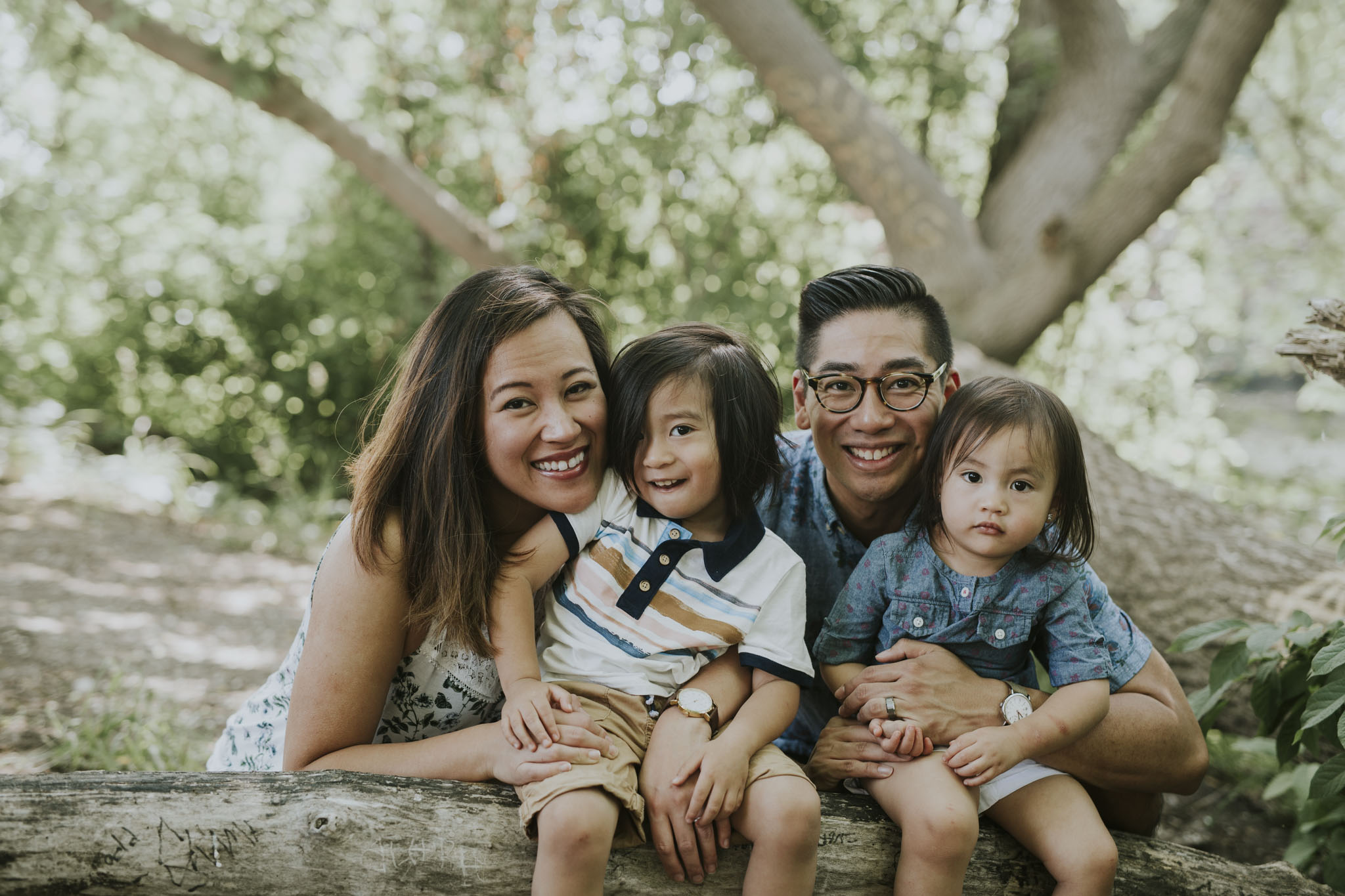
The matching outfits thing used to be standard. It's not anymore, and most families feel relieved to hear it. What you're actually trying to avoid is visual noise — one person in a busy graphic tee while everyone else is in solid neutrals will pull focus in every frame. Do a quick pass before you leave the house.
Solid colors tend to work. Bright neons and heavy patterns tend to fight. Complementary tones in the same general family are usually fine without being identical. Beyond that, dress like you would for a nice dinner out. Comfortable, put together, not a costume.
3. Be on Time
Mini sessions are scheduled back to back. When one family runs five minutes over, every family after them feels it. Showing up on time isn't about being rigid — it's about getting your full ten minutes instead of spending the first two catching up.
Plan to arrive five or ten minutes early. Get out of the car, take in the location, let the kids get some energy out before we start. That transition time is valuable. By the time we begin, you'll already be settled, the kids will have burned off some of the car-ride energy, and we're not warming up — we're working.

4. Map the Location in Advance
The spots I use for mini sessions are chosen for how they photograph, which usually means they're not the obvious ones. Look it up before the day. Know the general area, where to park, roughly how far of a walk it is. Not because it's complicated, but because showing up oriented means you're relaxed instead of scrambling.
The current schedule and session location are always listed on the mini sessions page. A five-minute preview from the parking lot map goes a long way toward starting the session on the right foot.
5. Trust the Process
Ten minutes sounds short. On paper it is. But the format works in a way that's hard to explain until you've been through it. There isn't time to overthink. You can't spend the first twenty minutes being awkward and eventually loosen up — there are no twenty minutes. The tighter window creates momentum, and momentum is where the good frames come from.
Think of it a little like a photo booth at a wedding: the constraint is part of why it works. You're reacting, not posing. Families who've done mini sessions before tend to come back — not because they didn't get enough, but because they got more than they expected.
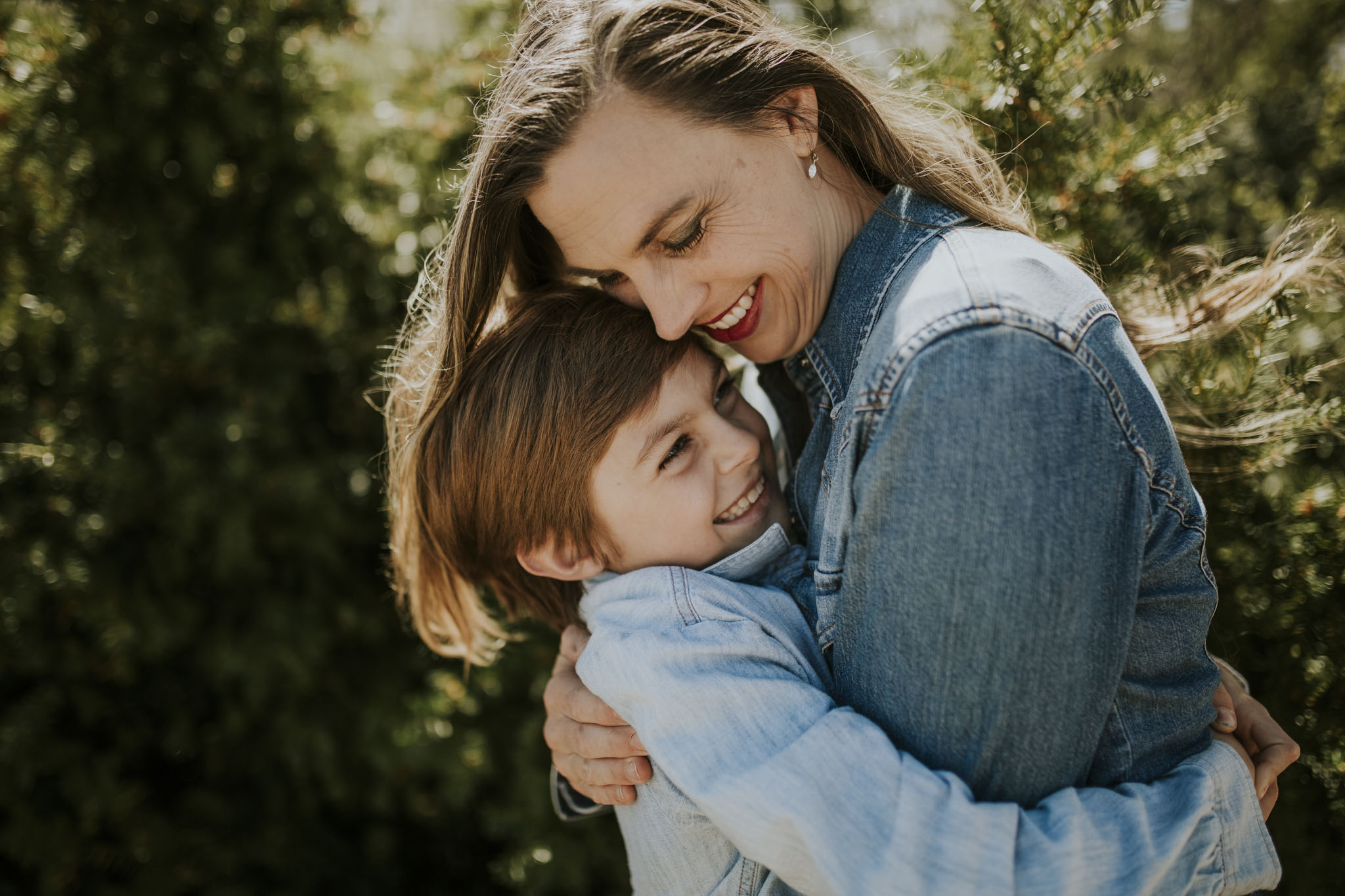
Mini sessions fill up fast and the schedule is set well in advance. If you're thinking about family portraits in Northern Michigan this year, take a look at what we have available.
Family Sessions Get in Touch