Most wedding traditions get treated as given. You do them because everyone does them, and nobody really asks why. Pull on the thread even slightly and things get strange in a hurry. Some of these customs started as superstition, some as class signaling, and at least one involves lamb testicles. Here are twelve of them.
Something Old, Something New, Something Borrowed, Something Blue
The full rhyme is Victorian, and it is actually five items: something old, something new, something borrowed, something blue, and a silver sixpence in her shoe. The sixpence got dropped somewhere along the way, probably because nobody carries them anymore. Each item carried a specific superstition: old for continuity with your past, new for the life ahead, borrowed from a happily married woman because her luck was presumed transferable, and blue for fidelity. The borrowed piece operates on a kind of luck contagion logic that predates germ theory but tracks the same basic idea. Touch the thing, get the property. People have been doing versions of this for a very long time.
Not Seeing Each Other Before the Ceremony
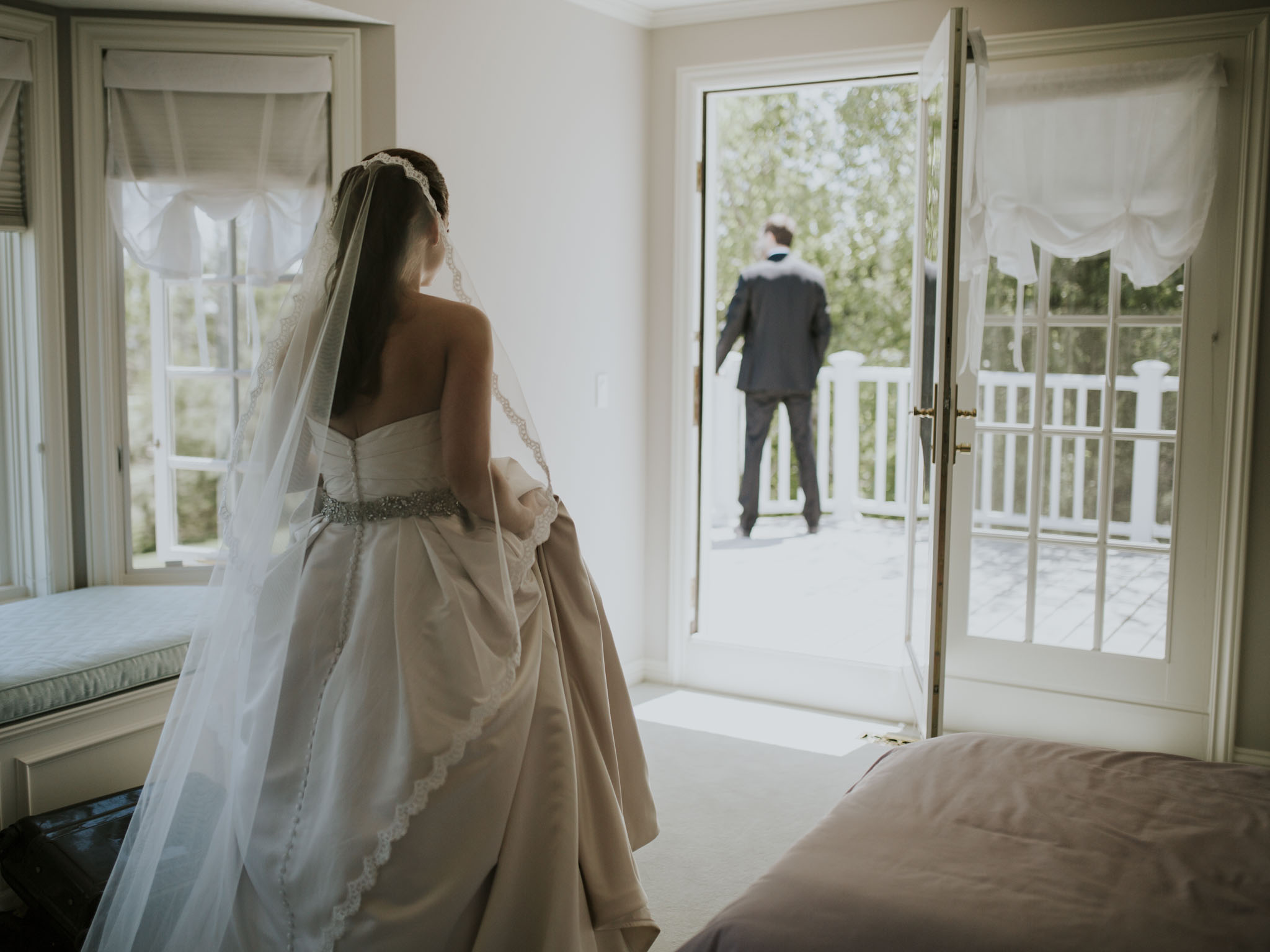
This one started as a business arrangement. In arranged marriages, the concern was practical: if the groom saw the bride before the altar and did not like what he saw, he could back out. Keeping them apart until the ceremony removed that option. The deal had to close before he got a real look. Today the tradition survives for entirely different reasons. Some couples want that first sight at the altar. Some do a private first look beforehand and skip the suspense entirely. Both work. The origin has nothing to do with why people keep it now, which is actually the story of most traditions on this list.
Rain on Your Wedding Day
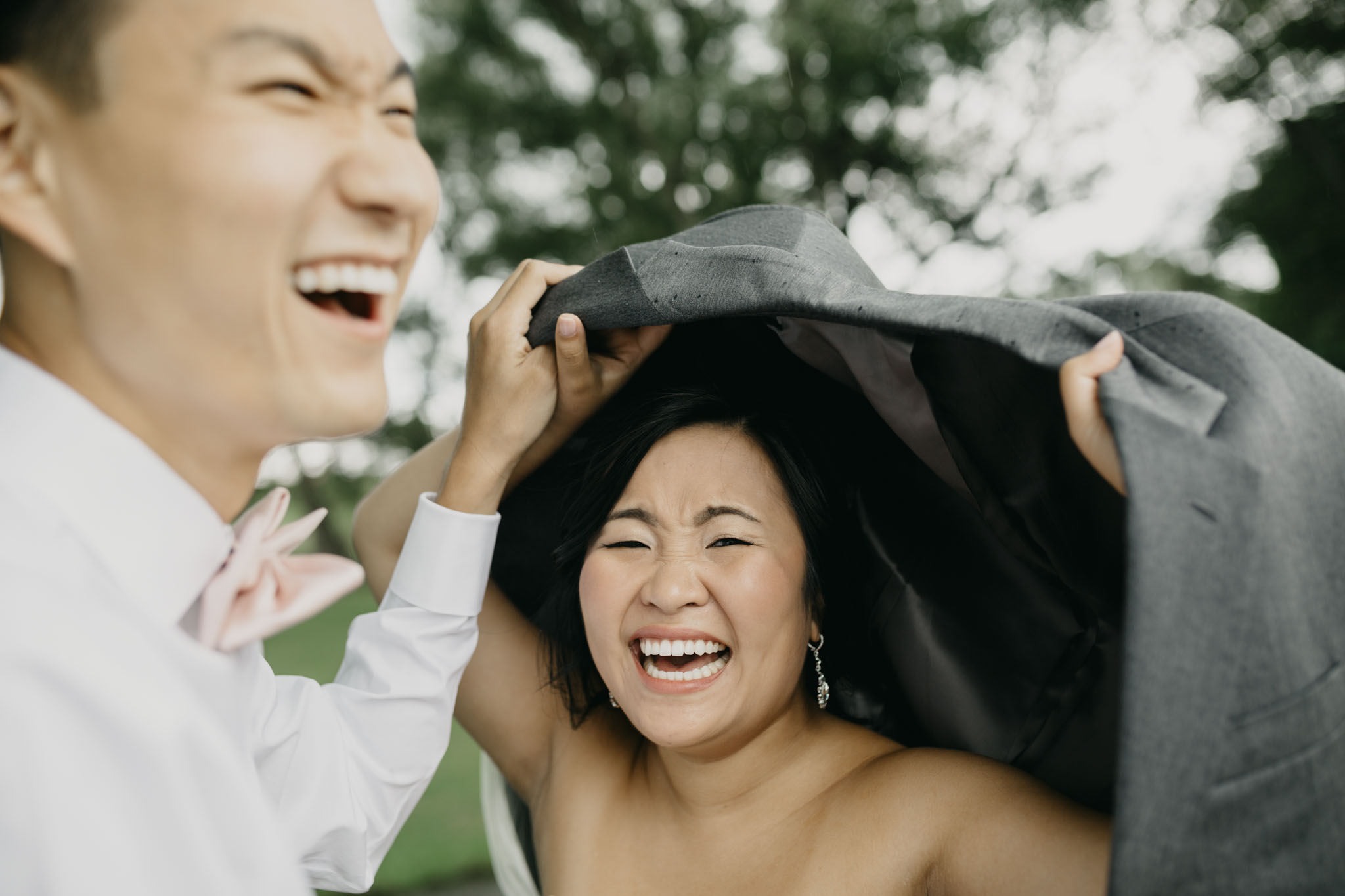
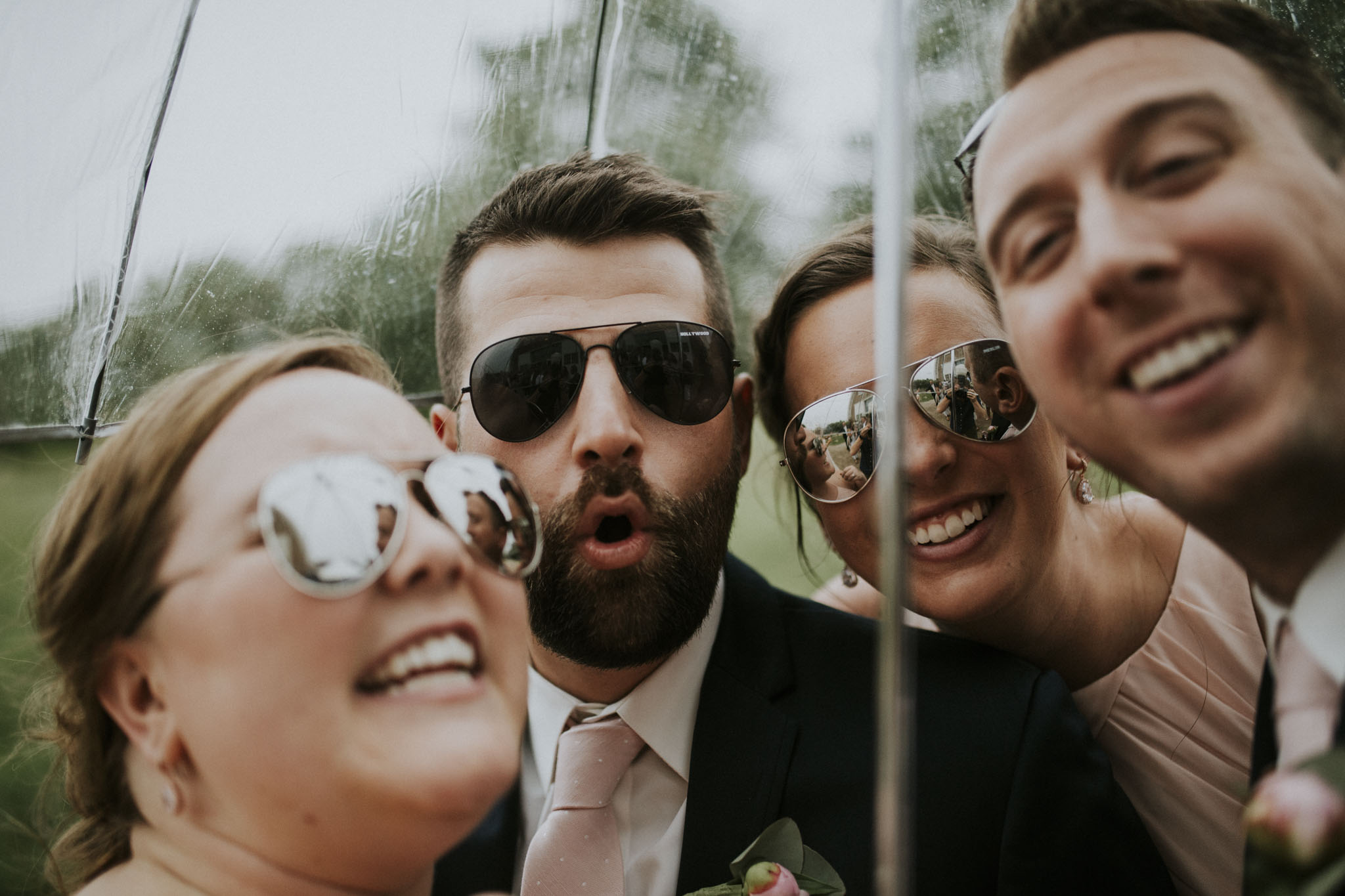
The Alanis Morissette song framed it as ironic. The older tradition framed it as a blessing. In several European cultures, rain on the wedding day was considered a sign of fertility, cleansing, good luck ahead. A wet knot is harder to untie, which was meant to be reassuring rather than ominous. For what it is worth, overcast and soft diffused light are genuinely useful for portraits. An umbrella adds shape and something to do with your hands. A covered porch or barn overhang gives you options. Rain is manageable. The backup plan you forgot to make is considerably less so.
The White Dress
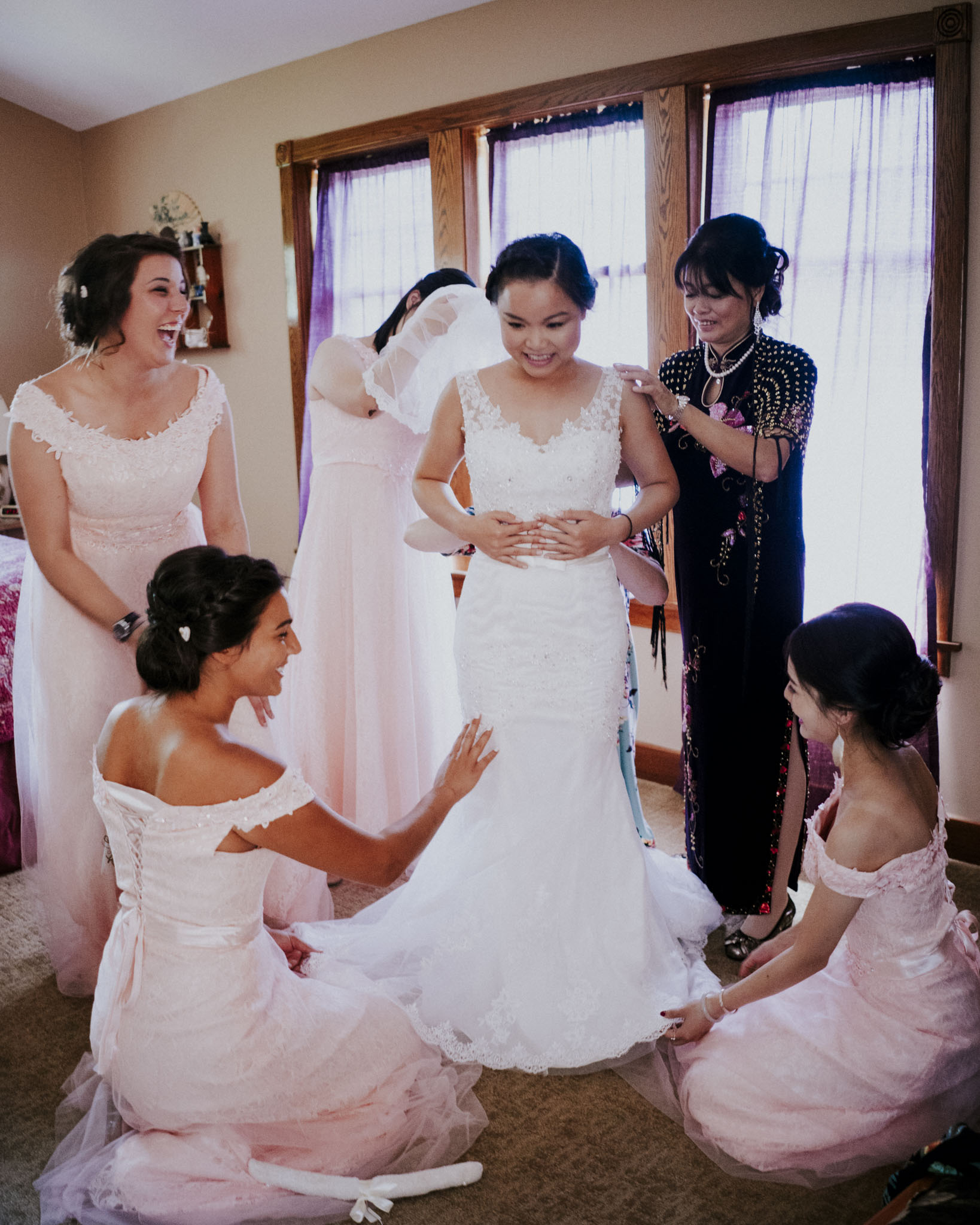
The association with purity came after the dress. Queen Victoria wore white at her wedding in 1840 and made it fashionable for wealthy families to follow. White fabric was expensive, difficult to clean, and completely impractical, which made it a reliable way to signal that you could afford impractical things. The purity narrative attached itself afterward as a convenient explanation. Before Victoria, brides wore whatever color they owned or could afford. Blue was common in some traditions for its association with faithfulness. The color is fairly arbitrary. What is not arbitrary is that a lot of people have very strong feelings about it, so proceed accordingly.
The Wedding Party
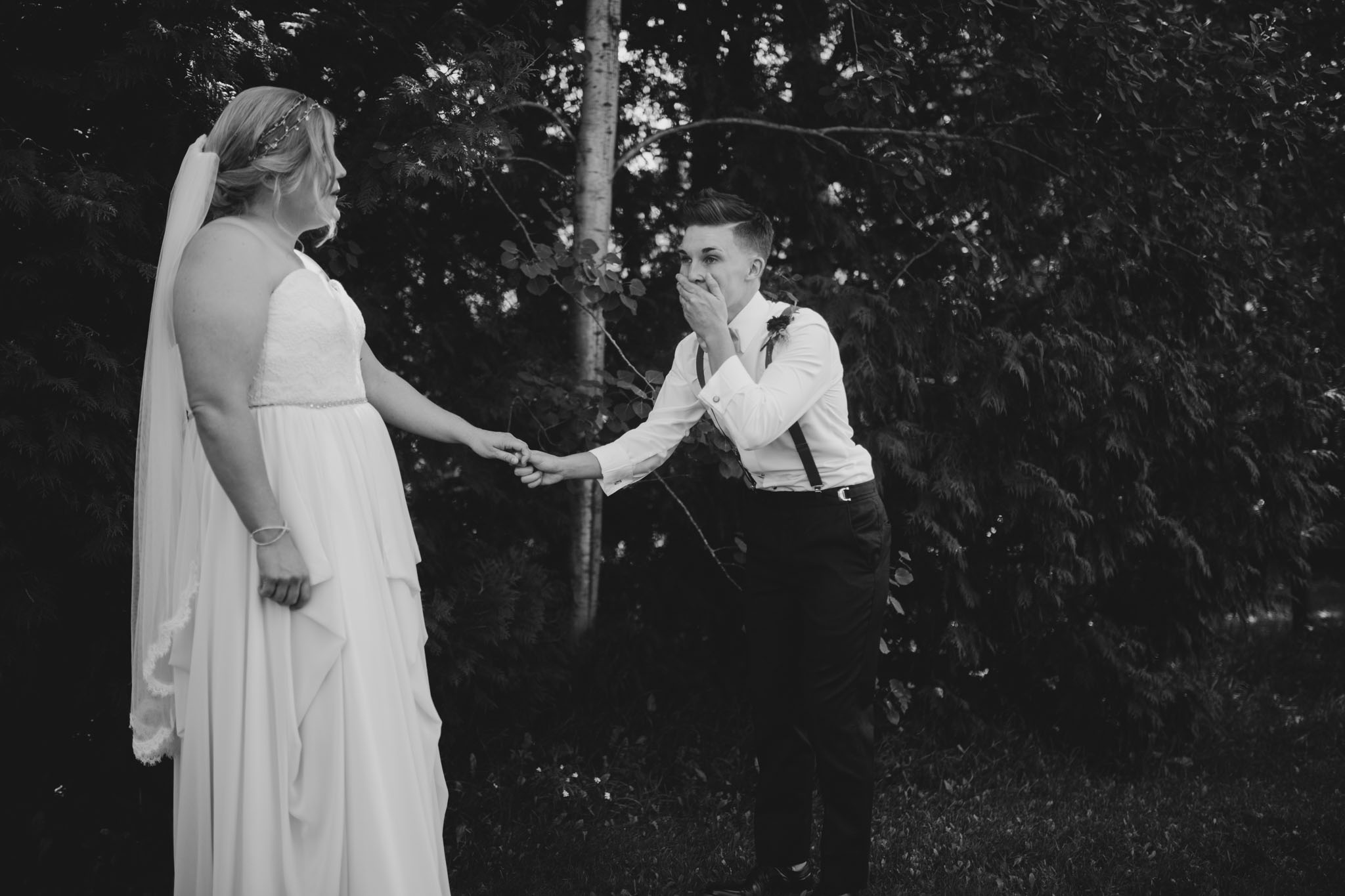
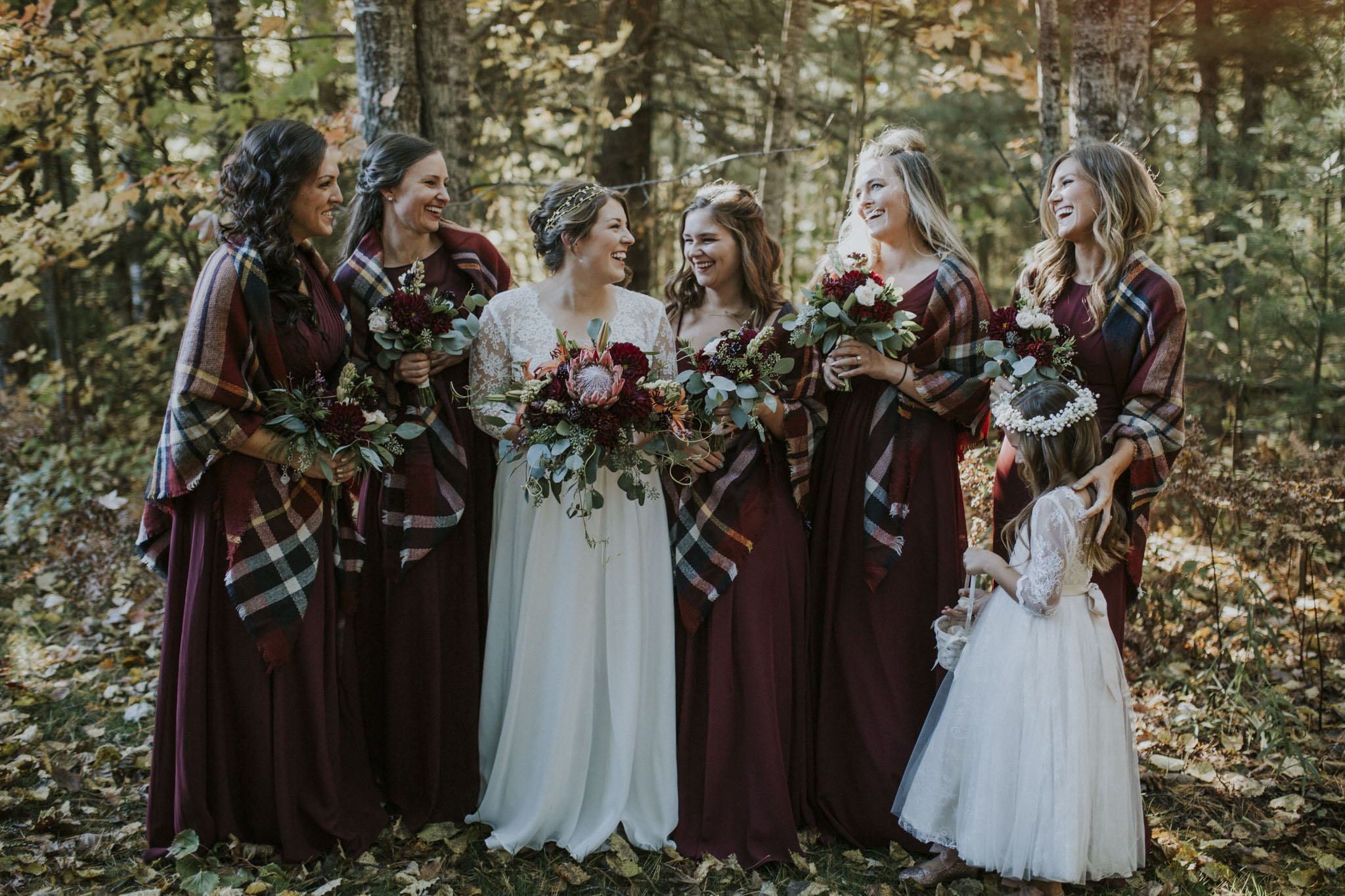
The groomsmen's job, originally, was not ceremonial. In early Germanic tradition, the groom brought friends to help him abduct his bride from a neighboring village, and they were there to handle any resistance. Later versions had them dressed identically to the groom to confuse hostile guests or vengeful families who might want to cause problems at the ceremony. The bridesmaids served a parallel function: in Roman tradition, they dressed like the bride so evil spirits would have a harder time identifying the target. The modern version involves a group chat, a color palette, and a rehearsal dinner. The logic has shifted considerably, but the headcount is about the same.
Wedding Rings
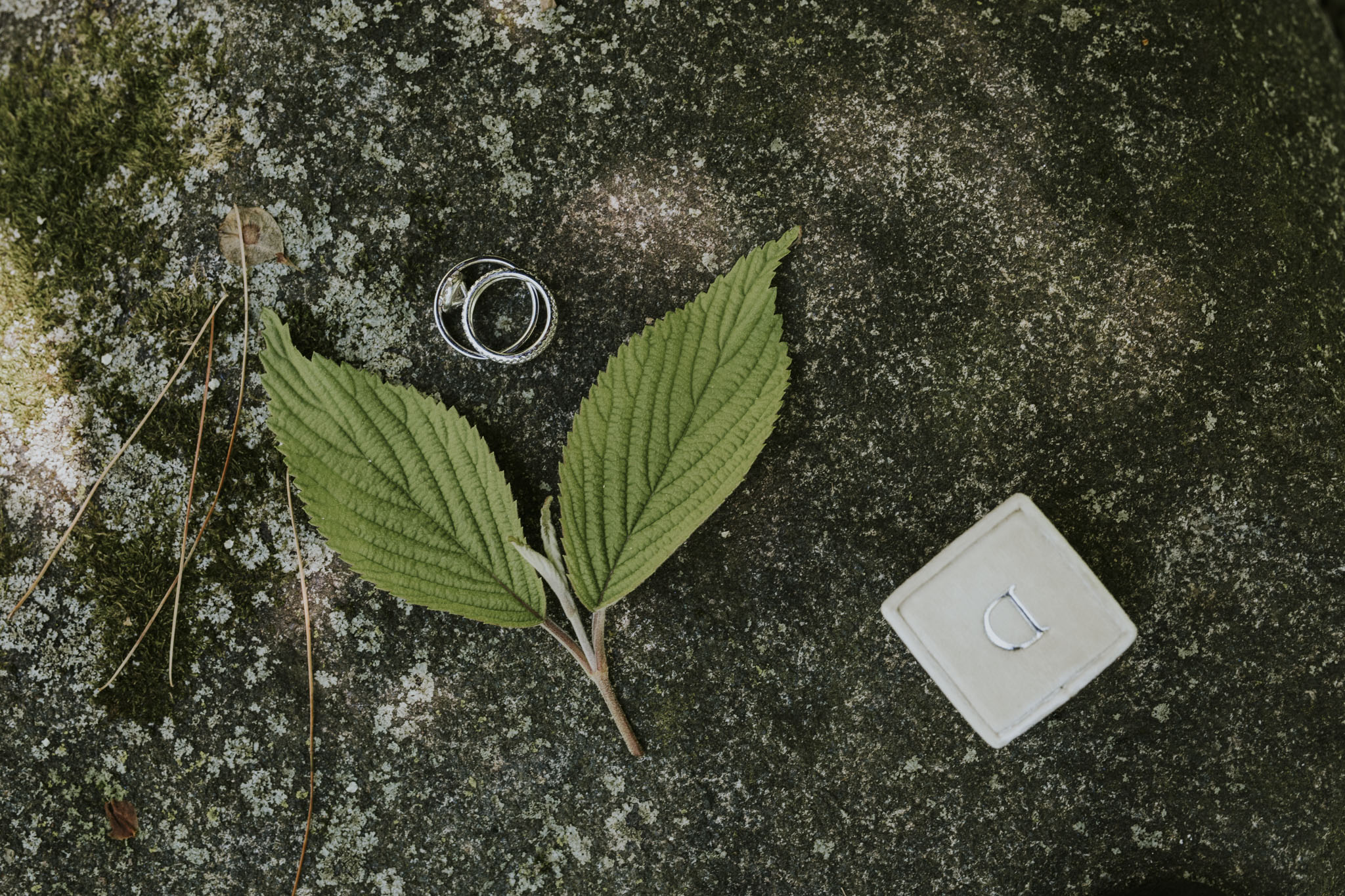
The circle has no beginning and no end. The Egyptians understood this and exchanged rings as symbols of eternity. They also believed the fourth finger of the left hand contained a vein that ran directly to the heart, which they called the vena amoris. Anatomically, this is not how veins work. Every finger has roughly equivalent blood supply. But the idea traveled from ancient Egypt through Rome through medieval Europe without anyone stopping to verify the anatomy, and it arrived in its current form essentially intact.
Brooke and I had wooden rings at our own wedding. They broke. We are still married. A ring is a symbol. The marriage is not the object.
The Vows
"Till death do us part" comes from the Anglican Book of Common Prayer, published in 1549. It was not written as poetry. It was theological and legal language establishing the terms of a binding contract. The phrase has been repeated at weddings for nearly five centuries by people who have varying degrees of awareness that they are quoting a 16th-century ecclesiastical document. Many couples now write their own vows, which is a reasonable response. The words you actually mean are worth more than the words that arrived pre-written. What carries over from the original is the basic architecture: a promise, made publicly, in front of the people who matter.
Throwing Rice (or Whatever's Nearby)
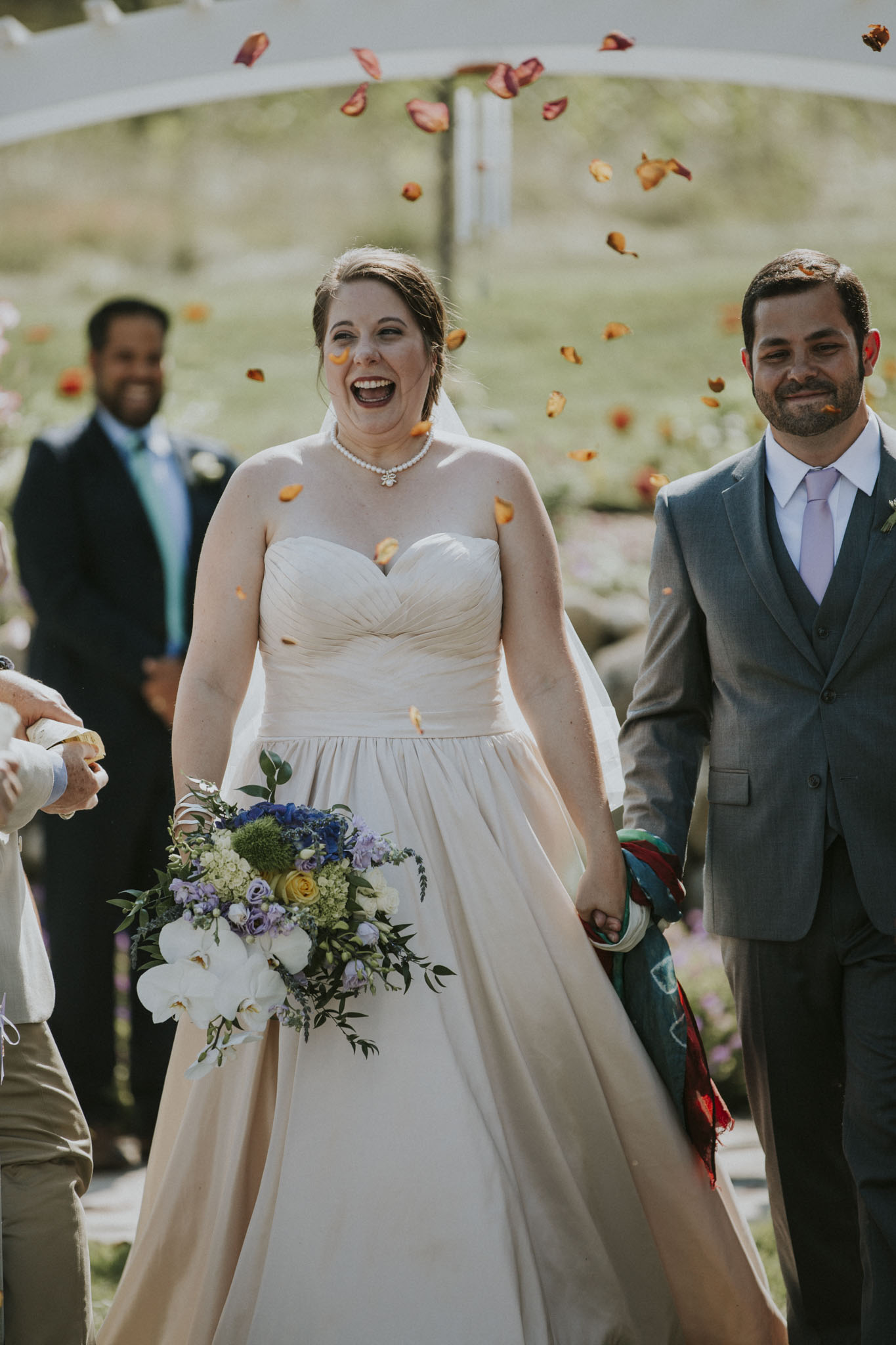
Rice as a recessional sendoff goes back to ancient Rome and China. In both cultures, the grain was tied to prosperity and fertility. You showered the couple with it to wish them abundance going forward. The tradition crossed into modern weddings largely intact, until a rumor spread in the 1980s that rice was harmful to birds. It is not. Birds eat rice in the wild without incident. But the rumor moved fast enough to change venue policies across the country, and birdseed, bubbles, and flower petals became common substitutes. Bubbles photograph well. Flower petals photograph better. The symbolism is the same regardless of what you are throwing.
The Cake
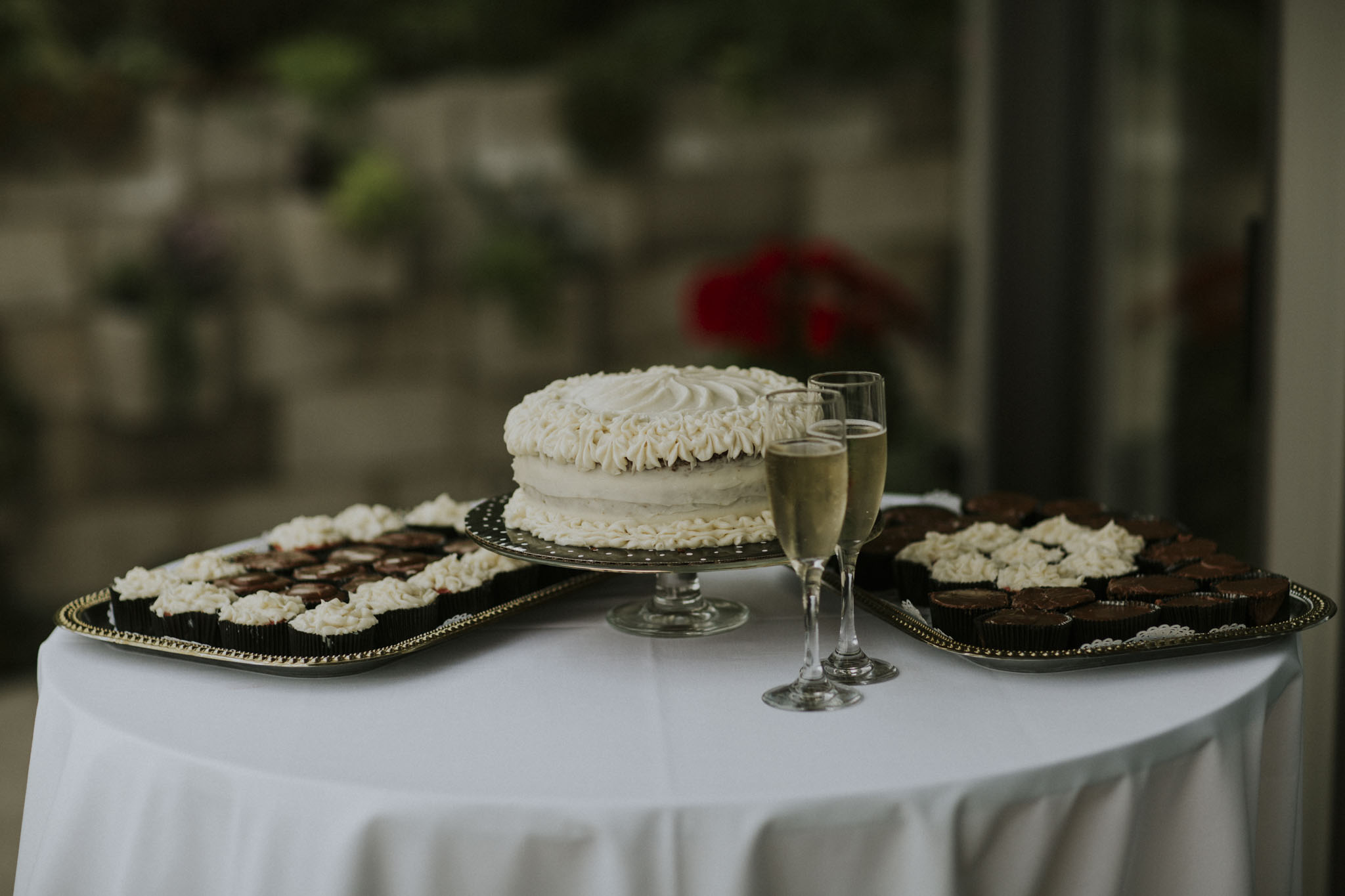
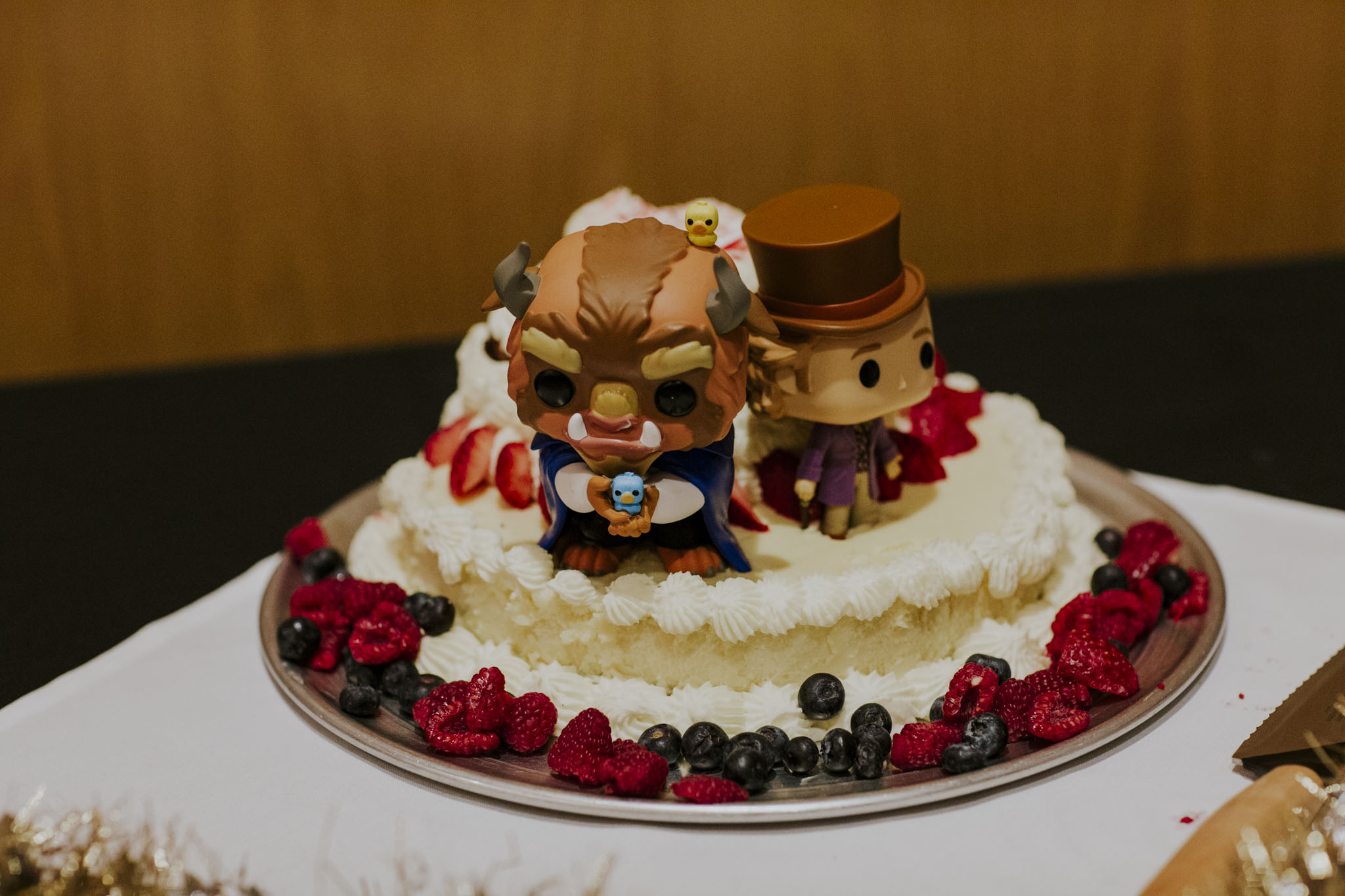
It started as bread. In ancient Rome, the groom broke a loaf over the bride's head for good luck and guests scrambled for the crumbs. Through the Middle Ages this evolved into what was called a "bride's pie," an actual savory pie served at the wedding. One 16th-century recipe includes a filling with lamb testicles as an ingredient. The tiered white wedding cake as we know it is largely a 20th-century development, driven partly by the rise of commercial bakeries and partly by the same Victorian influence that shaped the dress. It is a significant improvement over what came before. The ritual of smashing cake into each other's faces is a 20th-century addition with no particular historical justification.
The Garter Toss
Originally the problem was the guests. After the ceremony, it was customary for guests to follow the newlyweds to their bedchamber and attempt to grab pieces of the wedding dress, since fabric from the bride's clothing was considered good luck. Couples started throwing the garter from the doorway to redirect the crowd and buy some space. Over time this became a reception game, detached from its original context entirely. Now it is typically presented as a fun tradition with a slightly risqué edge. Many couples skip it. There is no particular historical obligation to preserve it, and the origin story is not one most people want explained in detail at the reception.
The First Dance
The first dance as a formal reception tradition is relatively recent. It grew out of older customs where the father "gave away" the bride and the opening dance was a kind of handoff, a transfer from one family to another. Over time the dance became its own dedicated moment, usually between the couple and sometimes followed by a parent dance. What makes it actually land has nothing to do with the song you pick or whether you rehearsed. It is the specific configuration of people in the room watching two people stand together in front of everyone they know. That is the thing. The tradition is just the container for it.
Carrying Your Spouse Over the Threshold
Two origin stories, both very on-brand for how superstition works. The practical one: if the bride tripped crossing the threshold, it was a bad omen for the marriage. Carrying her eliminated the risk. The supernatural one: evil spirits that might be trailing her could not enter the home if she was carried across rather than walking under her own power. Spirits apparently cannot hitch a ride. Now it is a sweet gesture, photographed on front stoops and barn doorways across Northern Michigan, almost entirely divorced from either of its original explanations. The meaning shifted. The gesture stayed.
Most of these traditions have traveled a long way from wherever they started. The specific origin matters less than what a tradition has become for the people actually doing it. Keep the ones that mean something. Drop the ones that do not. If you want to see what a Northern Michigan wedding actually looks like, start with the wedding photography work. The traditions are yours to adapt.
If you're planning a wedding in Northern Michigan and want to talk through what the day might look like, reach out. There are no pressure points here, just a conversation.
Wedding Photography Get in Touch